
Lorem ipsum dolor sit amet, consectetur adipiscing elit. Cras quis eleifend nibh. Quisque finibus diam non massa blandit, ut rutrum elit varius.

Lorem ipsum dolor sit amet, consectetur adipiscing elit. Piretatu veillia tellus, luctus ullam corper.

Lorem ipsum dolor sit amet, consectetur adipiscing elit. Piretatu veillia tellus, luctus ullam corper.

Lorem ipsum dolor sit amet, consectetur adipiscing elit. Piretatu veillia tellus, luctus ullam corper.

Lorem ipsum dolor sit amet, consectetur adipiscing elit. Piretatu veillia tellus, luctus ullam corper.
Quisque finibus diam non massa blandit, ut rutrum elit varius luctus rectorivu lapus.

Lorem ipsum dolor sit amet, consectetur adipiscing elit. Piretatu veillia tellus, luctus ullam corper.
Forex trading is not a shortcut to wealth, but it is one of the few skills that can support financial freedom through knowledge, discipline, and long-term consistency when learned correctly.

Forex trading is one of the few skills with the potential to support financial freedom by providing direct access to the world’s largest financial market, with over $7–9 trillion in daily trading volume.
Unlike traditional jobs, forex trading is not tied to hourly wages or location. Growth depends on skill development, risk control, and decision quality, allowing income potential to scale with experience.

True financial freedom comes from capital preservation, controlled risk, and consistency, not aggressive speculation. Learning forex trading builds habits that prioritize sustainability over short-term gains.

Forex trading operates 24 hours a day, five days a week, making it accessible from anywhere. This flexibility allows traders to align learning and execution with their lifestyle while maintaining professional standards.

Forex trading does not promise instant results, but when learned with structure and patience, it offers a path toward greater financial control, flexibility and independence.

Forex trading is a knowledge-driven skill. As understanding deepens, decision-making improves, allowing traders to compound experience and discipline rather than rely on external systems.
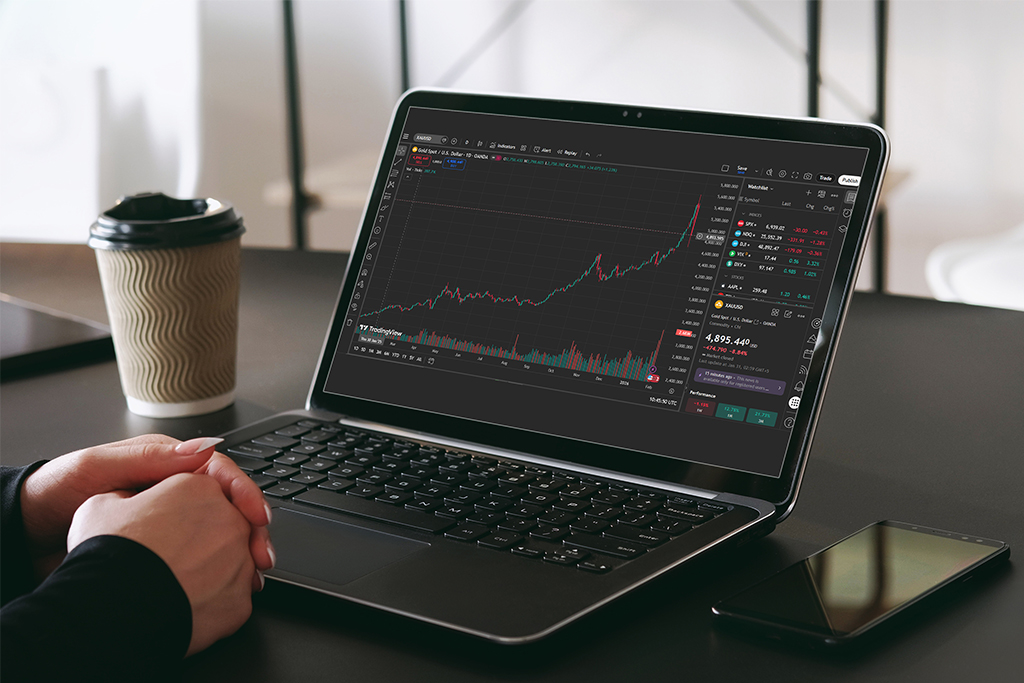
Forex trading is not the only skill with the potential for financial independence, but it offers access to the largest financial market in the world, with over $7–9 trillion in daily trading volume according to the Bank for International Settlements (BIS). When learned correctly, it builds valuable skills like risk management, market analysis, and disciplined decision-making while offering global, location-independent opportunities.
Yes, forex trading can be learned by beginners when approached through structured education, practice on demo accounts, and strict risk management rather than trial-and-error trading.
Forex does not require large capital to begin learning. Many traders start with small amounts after practicing on demo accounts, focusing on skill development rather than quick profits.
Most losses occur due to poor risk management, emotional trading, over-leverage, and reliance on signals instead of structured decision-making.
No advanced math is required. Successful trading relies more on risk control, probability thinking, discipline, and understanding market behavior.